
How to Get a Plot Loan Without Construction Plans – A Complete Guide
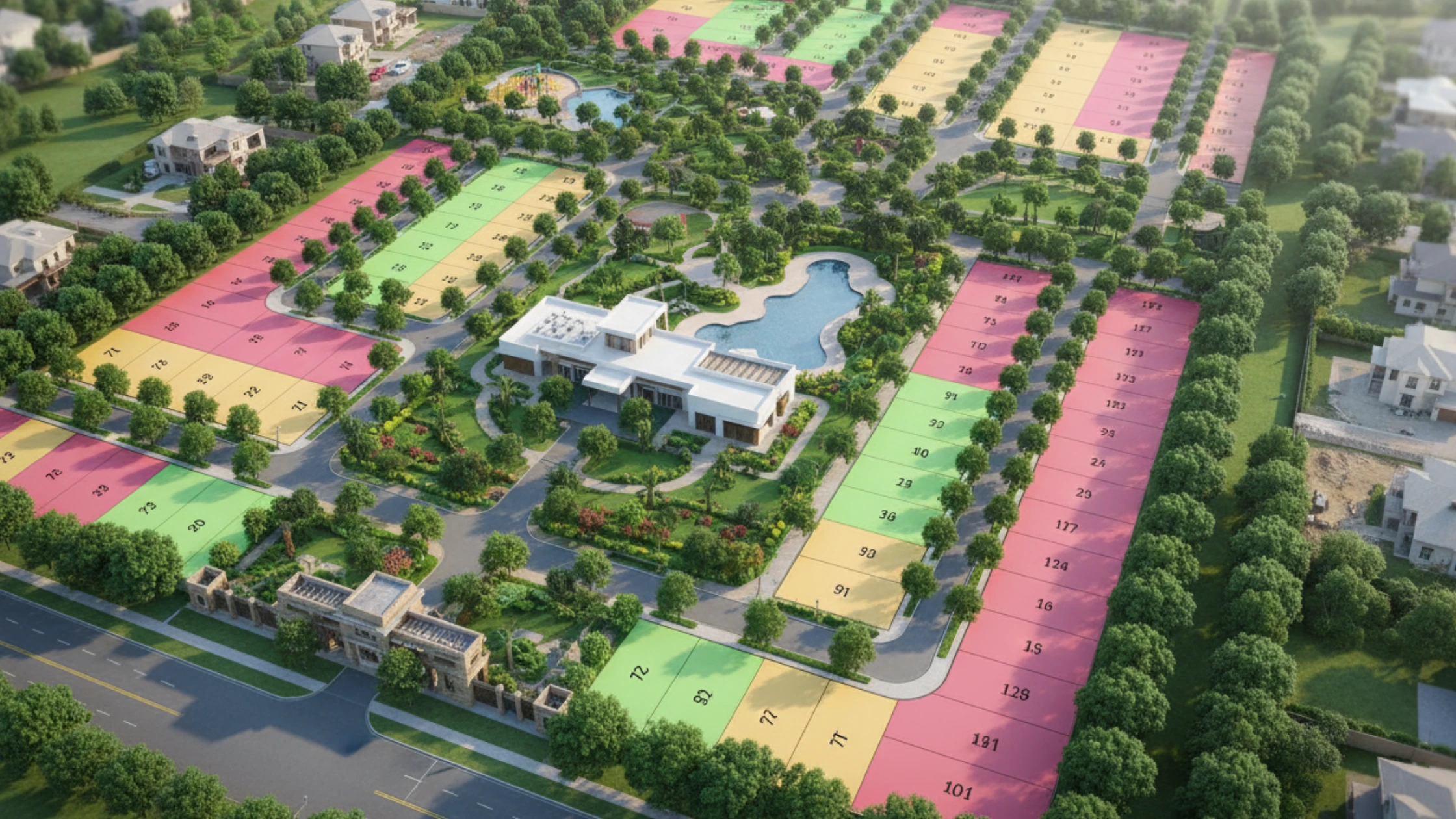
Buying land is one of the smartest long-term investments in India today. However, many buyers want to secure a plot loan without construction plans, either because they plan to build later or because the land is purely for investment. Fortunately, lenders do allow this, though the rules, eligibility, and documentation requirements differ from those for a home loan.
Before we begin, it’s important to clear a common misconception: You can apply for a plot loan without construction, and lenders do not force you to build immediately. They only expect clear land titles, proper approvals, and strong financial eligibility.
Now, let’s understand the basics.
What is Plot Loans?
A plot loan is a type of land loan designed specifically for purchasing residential plots within the approved limits of a city or town. Unlike home loans, which include the funding of construction as well, the plot loans only focus on the purchase of land. This difference shapes the terms, interest rates, and eligibility criteria.
Plot Loans vs. Home Loans
Plot loans are strictly for buying land. Home loans fund construction too. Because of this, plot loans generally have shorter tenures, slightly higher plot loan interest rates, and stricter approval norms. However, they remain one of the best tools for getting financing for land purchase.
Terms & Conditions of Plot Loans
Most lenders offer:
- Tenure up to 15 years
- Funding of 70%–80% of the plot value
- Mandatory approval check for layouts
- Restrictions on agricultural land purchases
These conditions ensure that buyers use the loan responsibly and purchase legally clear plots.
Eligibility Criteria for Plot Loans
Banks evaluate:
- Income stability
- Credit score
- Existing liabilities
- Age and repayment capacity
If a buyer meets the basic criteria for plot loan eligibility without construction, lenders are likely to approve the application.
Which Banks Offer Plot Loans?
Most major banks and HFCs provide them, including HDFC, ICICI, SBI, Axis Bank, LIC Housing, and Tata Capital. Their plot loan approval criteria differ slightly, but the overall process remains similar.
Why Apply for a Plot Loan Without Construction Plans?
Many buyers choose a land loan without a construction plan because building immediately is not always practical. Here are some common reasons:
1. No Immediate Construction Plans
Sometimes buyers want to wait—maybe due to financial planning, job relocation, or personal reasons. A loan to buy land without immediate construction gives them flexibility.
2. Investment Purposes
Land appreciates faster than built property in many micro-markets. Investors often buy land and hold it for 5–10 years. For them, the plot loan benefits without construction are high because the investment grows without any construction cost.
3. Long-Term Planning
Many people buy land today to build their retirement home later. A plot loan allows them to secure premium land now, before prices rise.
4. Market Trends Support Land Investment
Urban expansion, infrastructure growth, and rising demand for plotted developments have boosted interest in loans for purchasing vacant land. Buyers see land as a safer asset during uncertain real-estate cycles.
Key Differences — Plot Loans With vs. Without Construction Plans
Understanding the difference between a regular plot loan and a plot loan without construction plans is essential before you apply. Although the basic purpose remains the same—funding your land purchase—the process and conditions change based on whether you have a building plan.
1. Standard Requirements for Plot Loans With Construction Plans
When you apply for a plot loan along with a construction plan, lenders treat it almost like a combined land + construction loan. They ask for:
- Approved building plans
- Cost estimates from the builder or architect
- Construction timeline
- Sanctioned layout plan
- Property tax and compliance documents
In such cases, banks see lower risk because the land will generate a completed structure, increasing resale and recovery value. Therefore, they may offer better plot loan interest rates, longer tenures, and higher loan-to-value (LTV) ratios.
2. What Changes When You Don’t Have Immediate Construction Plans?
When you apply for a land loan without a construction plan, banks evaluate the risk differently. Without a construction commitment, the land remains undeveloped. As a result:
- Tenure is shorter
- LTV is reduced compared to loans with construction
- Documentation becomes stricter
- Property verification becomes more detailed
Banks also ensure the plot lies in an approved layout, falling under urban or semi-urban zones. They rarely finance agricultural land unless conversion documents are available. Still, obtaining a plot loan without construction is completely possible when all paperwork is clear, and the applicant is financially strong.
3. Impact on Tenure, Interest Rates, and Approval
Because lenders consider undeveloped land riskier, the impact shows up in the final terms:
- Tenure: Usually capped at 10–15 years
- Interest rates: Slightly higher than home loans
- Approval: Relies heavily on title documents, layout approvals, and EC reports
However, if you maintain a strong credit score and provide clear land documents, you can still secure competitive rates. Moreover, you can later upgrade to a construction loan after a plot loan once your building plan is ready.
Plot Loan Showdown — With vs Without Construction
- Loans with construction offer longer tenures and better rates.
- No-construction loans require stronger documentation.
- Lenders see undeveloped land as higher risk.
- Approved layouts and zoning are essential.
- You can add a construction loan later when ready.
Eligibility Criteria for Plot Loans Without Construction Plans
Every lender has its own guidelines, but most follow a standard framework. If you meet the following criteria, your plot loan eligibility without construction improves significantly.
1. Age, Income & Credit Profile Requirements
Banks consider:
- Age between 21–65 years (varies by lender)
- Stable salary or business income
- Clean repayment history
- Good credit score (700+ preferred)
A strong financial profile signals lower risk, helping you secure approval even when there is no building plan.
2. Approved Location & Property Type
Lenders strictly verify the location. Plots must be in:
- Corporation or municipal limits
- Town planning authority layouts
- BDA/BMRDA/DTCP/PUDA-approved layouts
- Legally converted residential land
They avoid unapproved layouts, gram panchayat-only sites, and green-zone/agricultural land unless conversion certificates are provided. This is where property due diligence matters the most.
3. Loan Amounts & Loan-to-Value Ratios
Most banks fund 70–80% of the plot value. For higher-value properties, LTV may reduce to 60–65%. Your income and credit score also influence the maximum loan amount. Because there is no construction component, lenders evaluate only the land value—not the potential future structure.
Plot Loan Documentation Required
Whether you apply for a standard land loan or a plot loan process without a building plan, documentation plays a critical role. Missing paperwork can delay or even reject the loan.
1. General Documents (KYC + Income Proof)
Banks usually ask for:
- Aadhaar, PAN, passport, voter ID
- Recent photographs
- Salary slips or audited financials
- Bank statements (6–12 months)
- IT returns
Strong KYC and income proof help lenders assess repayment ability.
2. Property Documents Required
For plot loan documents needed, lenders insist on clear land titles and legality. You must submit:
- Title deed
- Mother deed
- Encumbrance Certificate (EC)
- Approved layout plan
- Tax paid receipts
- Sale agreement
- NOC from authority (if required)
These documents help lenders verify authenticity, ownership, and possible disputes.
Read More: Documents to check before buying a plot in Bangalore
3. Additional Requirements When Construction Plans Are Not Available
When you apply without a construction plan, lenders may ask for:
- Detailed plot location map
- Confirmation of residential zoning
- Layout approval from the planning body
- Seller’s ownership records
- Proof that the plot is free from litigation
The stronger your documentation, the faster the lender will process your application.
Plot Loan Application Process — Step by Step
To apply for a plot loan without construction plans may look complicated, but the process is much simpler when broken into clear stages.
1. Do Your Pre-Application Checks
Before speaking to a lender, check your own financial readiness. Start with your credit score. Anything above 700 gives you a strong advantage, especially when applying for a plot loan without a construction plan. Lenders see non-construction loans as slightly riskier, so a good score shows you are reliable.
Next, you should evaluate your income stability. Whether you’re employed or self-employed, banks want to see consistent inflows and responsible financial behaviour. Use online plot loan eligibility calculators offered by banks to get an idea of your expected loan amount.
Also, shortlist plots that fall under approved layouts, because lenders won’t consider unapproved or agricultural lands unless proper conversion documents exist. Doing this groundwork avoids unnecessary back-and-forth later.
2. Submit the Application to the Lender
Once you’re confident about your eligibility, it’s time to apply. You can either do this online or visit a lender’s branch. Fill out the application form, upload or submit the required KYC documents, and provide your income proofs. At this stage, banks only verify your financial profile, not the property. So be prepared to explain the purpose of the purchase, even if you don’t want to build immediately.
A dedicated relationship manager is usually assigned to you. They act as the bridge between you and the credit team, making the entire process smoother.
3. Property Verification and Valuation
After your financials look good, the bank begins evaluating the plot. This is one of the most important steps in the entire plot loan application process. A third-party property evaluator or legal team checks:
- Clarity in Title Deed
- Market Value vs Declared Value
- Land ownership history
- Layout approval authenticity
- Survey numbers and boundaries
If you’re applying without construction plans, they will focus more on whether the land meets the lender’s zoning rules and whether it sits within municipal limits or approved planning authority zones.
If everything works fine, the valuation report is forwarded internally for loan approval.
4. Paying Processing fees
Every lender charges a processing fee, which can range from 0.5% to 2% of the loan amount. Sometimes, this fee also covers legal opinion, technical checks, and valuation. Paying the fee does not guarantee approval, but it does move your application to the next stage.
Always ask for a breakup of charges so you know exactly what you’re paying for.
5. Loan Sanction and Disbursement
If your income profile, documents, and property verification satisfy the lender, they issue a sanction letter. This letter mentions your approved loan amount, interest rate, tenure, terms, and conditions. Read this carefully, especially if there are clauses related to construction timelines.
Once you accept the offer and sign the agreement, the lender disburses the loan amount. In most cases, the amount goes directly to the seller, ensuring transparency.
Quick Summary — Plot Loan Application Process
- Check credit score, income stability, and plot approval status.
- Submit application with KYC and income documents.
- Bank conducts legal checks and property valuation.
- Pay processing fees covering verification and admin charges.
- Receive sanction letter and loan gets disbursed to the seller.
Plot Loan Restrictions and Limitations
Plot loans offer flexibility, but they also come with certain restrictions that buyers often overlook. Understanding these limitations beforehand helps prevent surprises later.
1. Restrictions on Usage of Loan
Plot loans are for residential land. If you want to buy farmland or something outside approved limits, bank won’t finance it. Even after buying, most lenders don’t like you using the plot for commercial purposes.
2. Charges or Conditions for Delayed Construction
Although most lenders do not impose penalties for not building immediately, some include hidden clauses. A few banks offer a lower interest rate if you commit to construction within 3–5 years. If you fail to begin construction, the interest rate may increase. This isn’t a fine, but rather a shift to the standard rate for non-construction plot loans.
Always read the fine print carefully to avoid surprises.
3. Resale Restrictions
Some lenders put resale restrictions on plots purchased through loans. They may require a minimum holding period—often one year—before the borrower can sell. This helps the bank reduce speculative or short-term flipping of land.
4. Location-Based Limitations
Lenders avoid funding plots that fall in:
- Green zones
- Agricultural belts
- Unapproved layouts
- Gram Panchayat-only approvals
- Hilly or unstable terrain
This ensures the property follows proper planning rules and carries no legal complications.
5. No Loan for Boundary Walls or Minor Construction
Unlike home loans, plot loans do not cover basic developmental work like fencing, boundary walls, or site levelling. Such expenses must be handled by the buyer.
Plot Loan Tips to Improve Approval Chances
Getting a plot loan, especially without construction plans, can feel a bit uncertain because lenders evaluate both the land and the buyer more carefully than they do with home loans. But a few practical steps can genuinely improve your chances of approval. These aren’t complicated; they’re just small things that most people forget while rushing to apply.
1. Keep Your Credit History Clean and Steady
If there’s one thing lenders look at before anything else, it’s your repayment behaviour. Even a couple of missed EMIs from years ago can raise a question. You don’t need a perfect credit score, but a decent one (somewhere above 700) puts you in a comfortable spot.
Also, check your credit report for errors. It’s surprisingly common to find loans you never took or old accounts that were never updated. Fixing these can instantly improve your loan profile.
2. Choose Plots Located in Approved Projects or Notified Zones
This is easily the biggest factor people overlook. You might love a quiet plot outside town, but if it’s not in an approved layout—or worse, if it’s agricultural land without conversion—even the best bank won’t clear your loan.
Banks prefer plots with proper approvals from authorities like DTCP, BMRDA, BDA, CIDCO, HMDA, and so on. When the land is clean, the loan process becomes faster and smoother.
3. Reduce Existing Debts Before Applying
You don’t have to be debt-free, but lenders do check your financial breathing room. If your current EMIs already take up a big chunk of your income, your application may be put on hold.
Clearing small loans or closing unused credit cards a few weeks before applying can make a visible difference. It signals that you have enough room to comfortably handle another EMI.
4. Show Genuine Purpose
Most people think banks want to hear only one thing: “I will build immediately.” But honestly, that’s not necessary. If you’re buying for investment or long-term planning, just say so.
What lenders want is clarity. If you can explain your intent—for example, holding the land until you’re financially ready, or buying in a growth corridor—they see you as a more responsible borrower.
It’s better to be honest than to claim you’re building soon and then not follow through.
5. Keep All Property Documents Ready and Updated
Plot loans fail most often because of property documentation, not buyer eligibility. Before applying, collect:
- Title deed
- Mother deed
- EC for 13–30 years
- Approved layout plan
- Tax receipts
- Survey map or FMB sketch
- Conversion certificate (if required)
If everything is clear and matches the plot on the ground, lenders rarely say no.
Read More: Key Factors to Check Before Buying a Plot in Bangalore
Conclusion for plot loan without construction plans
Buying a plot without immediate construction plans is completely normal, and for many people, it’s a smart long-term investment. Since land usually appreciates faster, a plot loan helps you secure property early without heavy financial pressure. The loan process differs slightly from home loans, so lenders mainly focus on two things: your financial strength and the clarity of the land documents. If both are solid, approval becomes much easier. Choosing an approved layout, maintaining a good credit score, and clearing small debts can improve your chances. And remember, every bank follows its own policies, so a short conversation with your lender can clear many doubts. A well-prepared application leads to a safer, smoother investment journey.
FAQs for Plot loan without Construction Plans
2. What is the maximum tenure allowed for a plot loan without construction plans?
Most lenders offer a tenure of 10–15 years for a land loan without a construction plan, which is slightly shorter than home loan tenures.
3. Are interest rates different for plot loans without a construction plan compared to those with one?
Yes. Plot loan interest rates are usually a bit higher for loans without construction because undeveloped land carries more risk for the lender.
4. Is it possible to convert my plot loan to a home construction loan later?
Absolutely. You can upgrade to a construction loan after a plot loan once your building plan, cost estimate, and permissions are ready.
5. What documents are required when applying for a plot loan without a construction plan?
You need standard plot loan documents like KYC, income proof, title deed, EC, layout approval, tax receipts, and survey maps. No building plan is required.
6. Are there location restrictions for purchasing land with a plot loan?
Yes. Banks approve loans only for plots in approved layouts/zones not agricultural land or unapproved gram panchayat sites, due to plot loan approval criteria.
7. Do banks require construction to start within a certain time frame after loan disbursal?
Most lenders don’t. But some may revise plot loan interest rates if you don’t begin construction within a suggested timeline.
8. What is the maximum loan amount or LTV ratio for plot loans without construction plans?
Typically, lenders offer 60%–80% LTV depending on income, credit score, and property type. Higher amounts are harder without construction plans.
9. Can I claim tax benefits on a plot loan where construction has not yet started?
No. Tax benefits apply only after construction begins. A plot loan without construction plans does not qualify for Section 24 or 80C benefits.
10. Will my eligibility or loan terms change if I decide to build on the plot later?
Yes. Once you submit approved building plans, banks may extend tenure, revise interest, or offer higher funding through a construction loan after a plot loan.
This is a really helpful explanation of what can be a confusing process. Getting a loan for just the land is definitely trickier, so it’s good to know the requirements and have realistic expectations. Thanks for laying it out so clearly!